



SUPPORT SOLO S​OND​AGEN​S

Structure and experience to serve the most demanding clients

OUR SERVICES

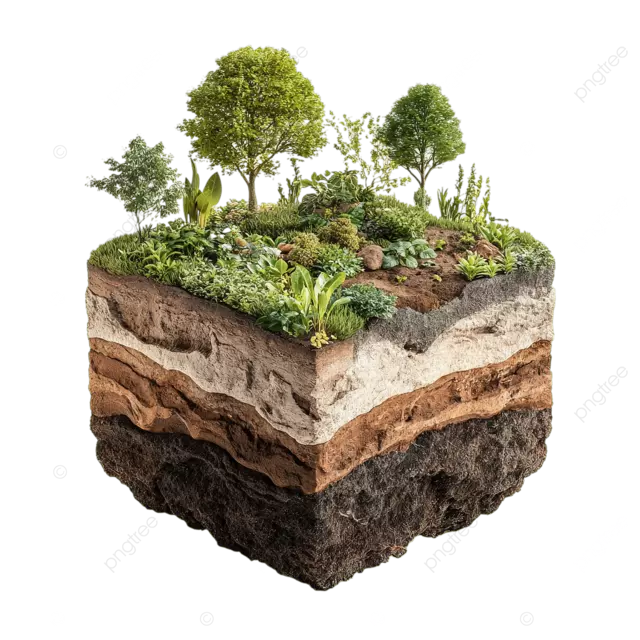
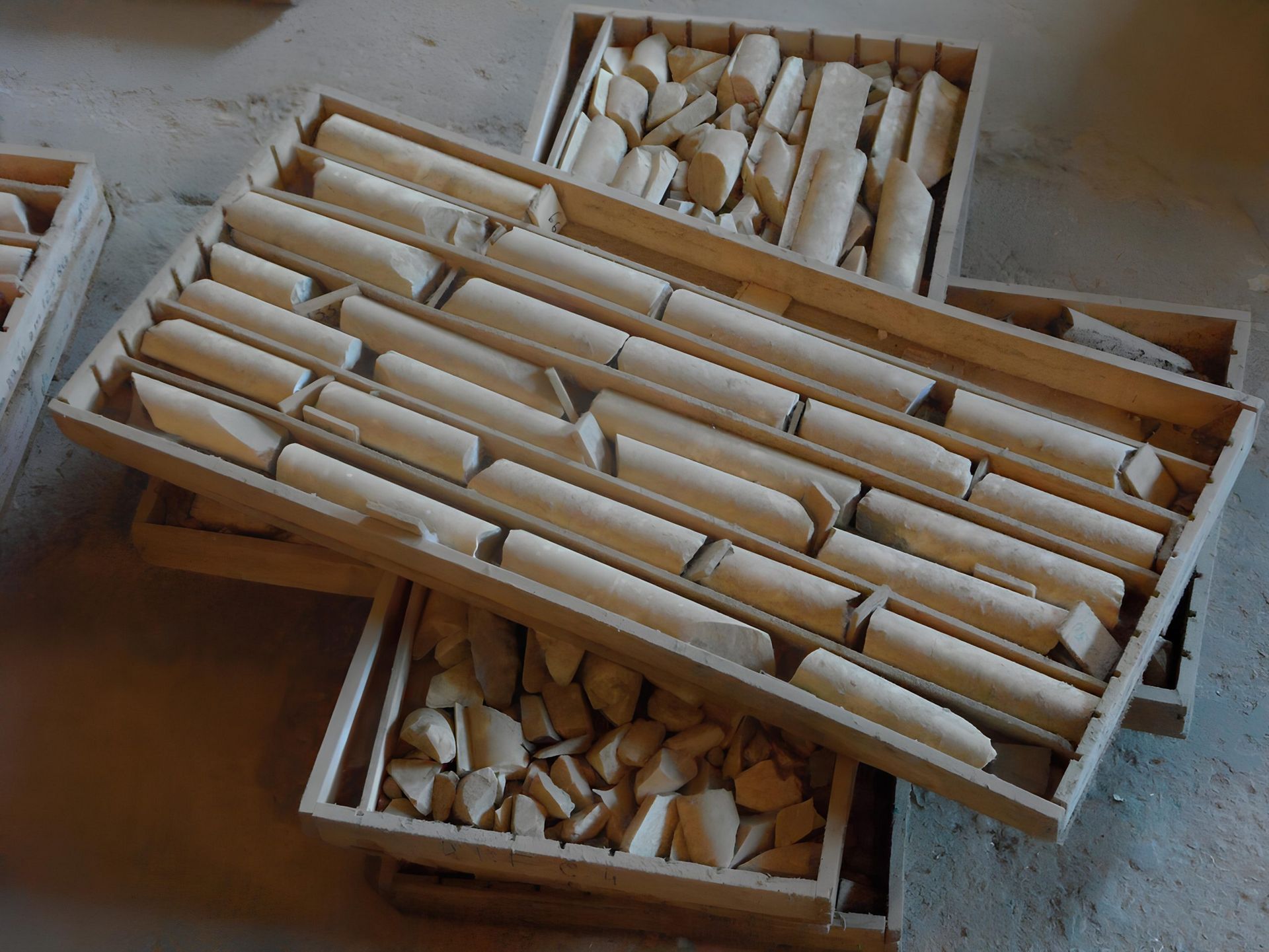
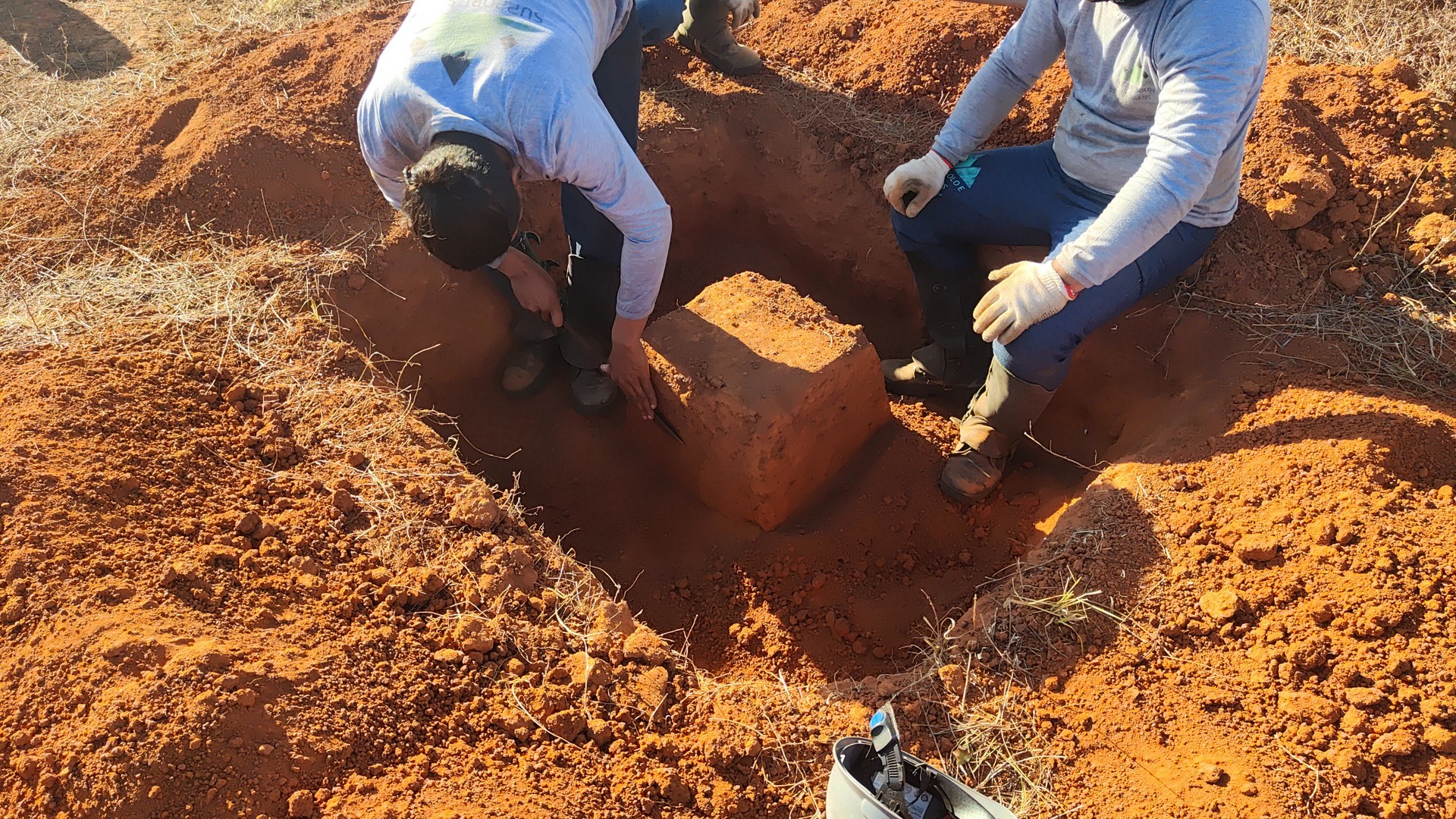
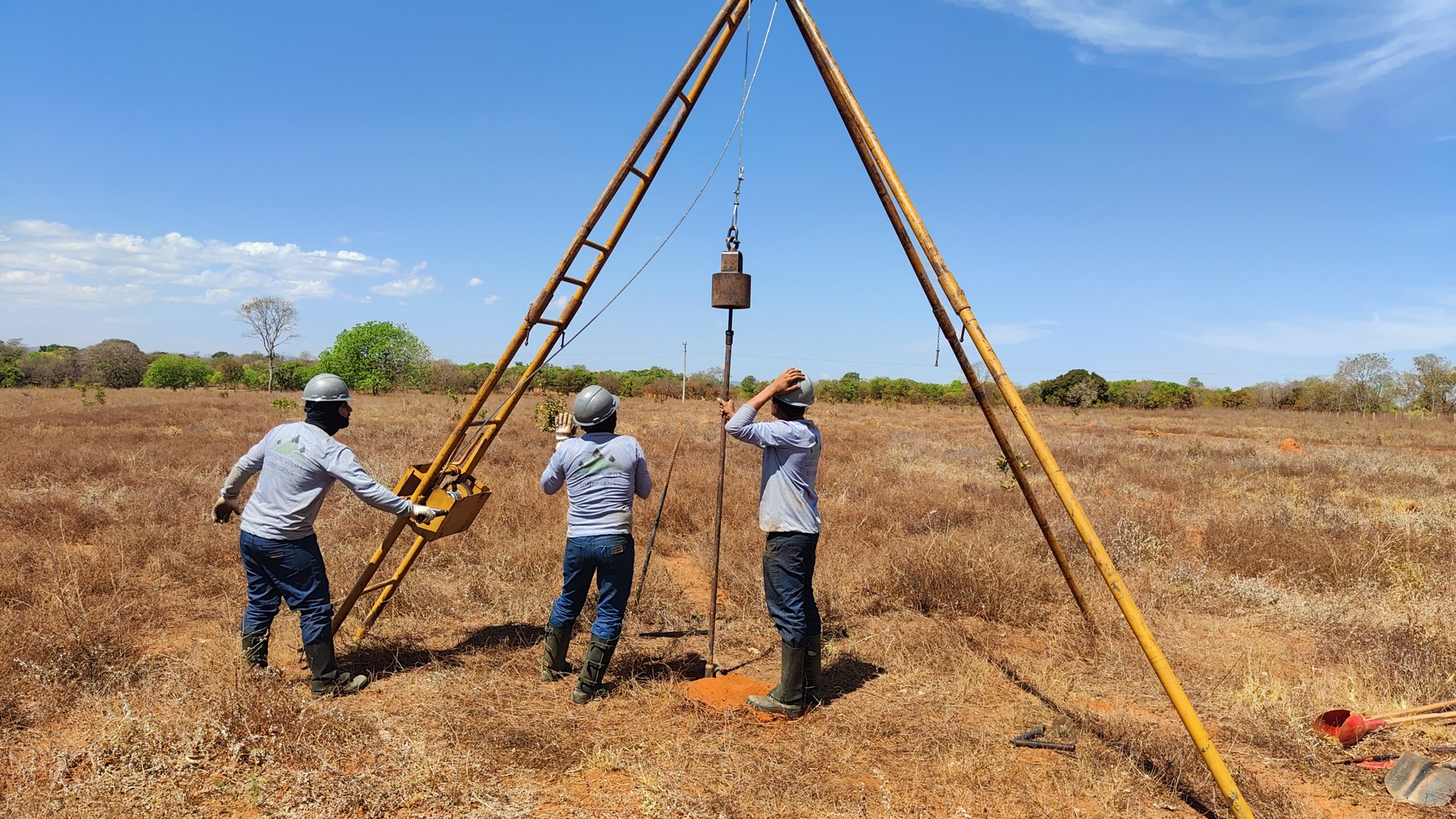
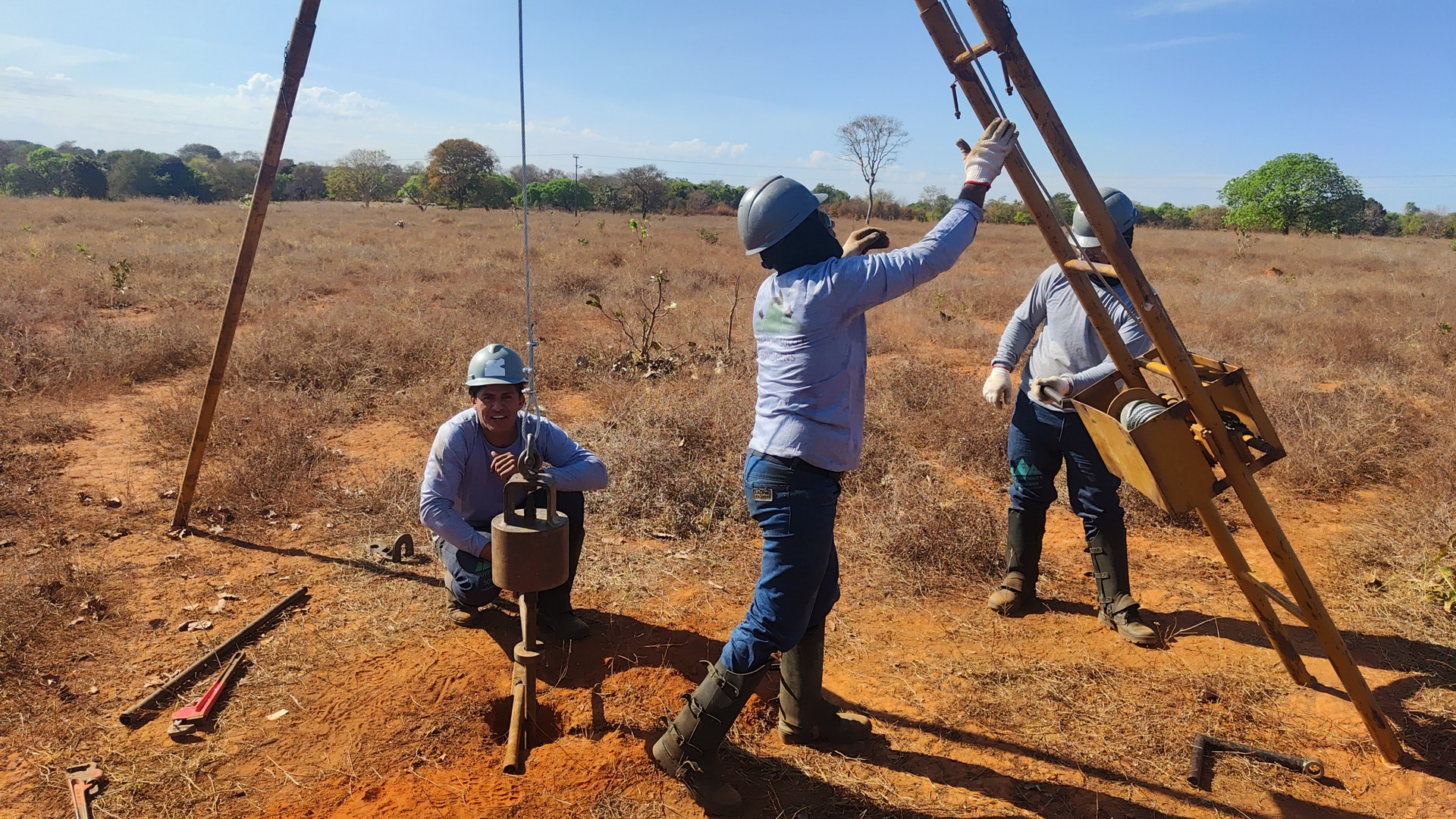
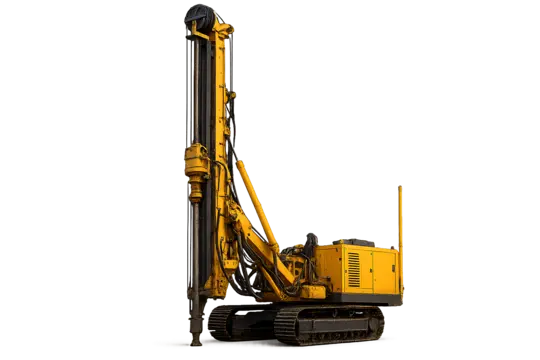
ROTARY PERCUSSION DRILLING

more

ENGINEERING PROJECT DEVELOPMENT

More

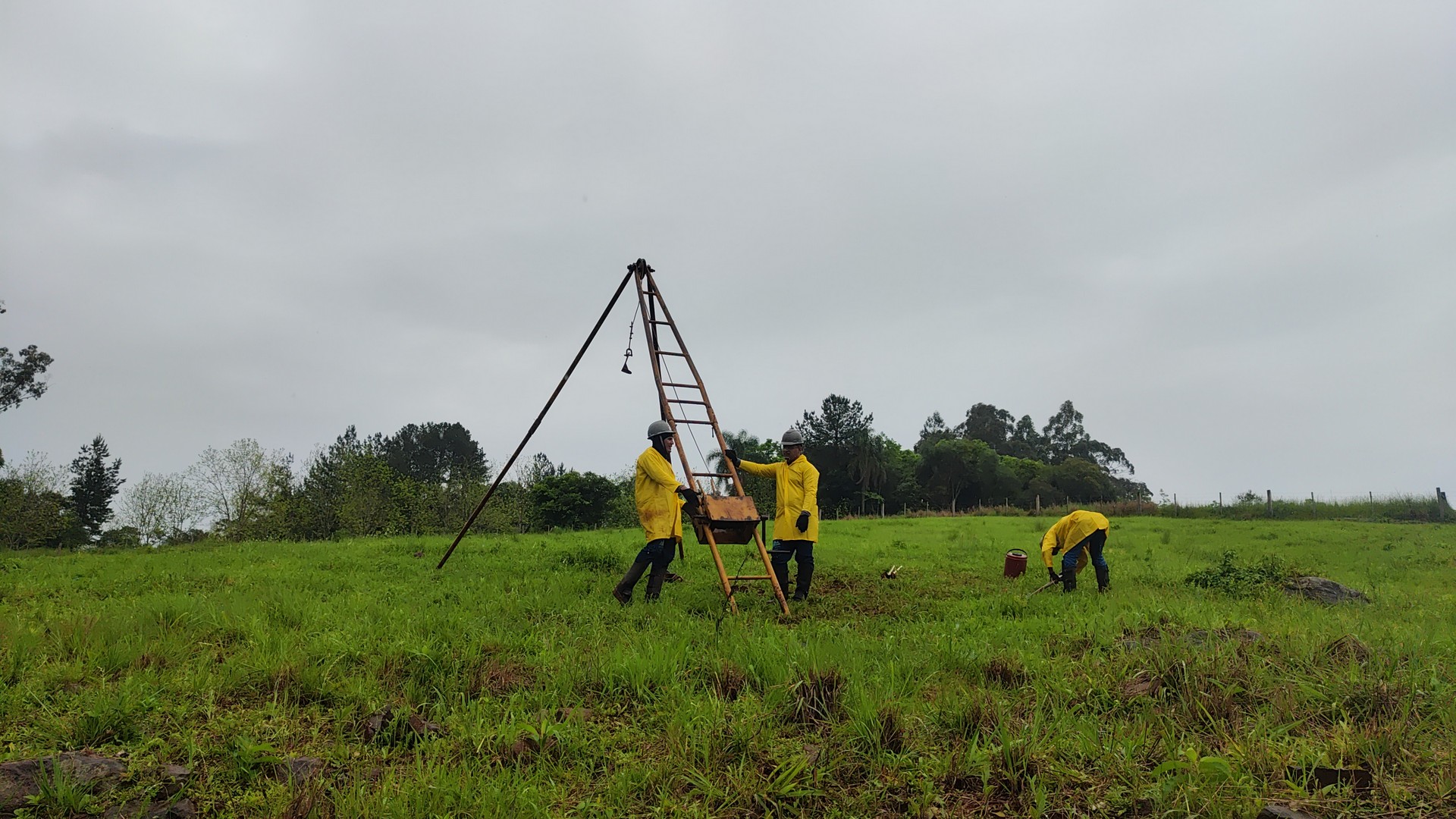
DRILLING
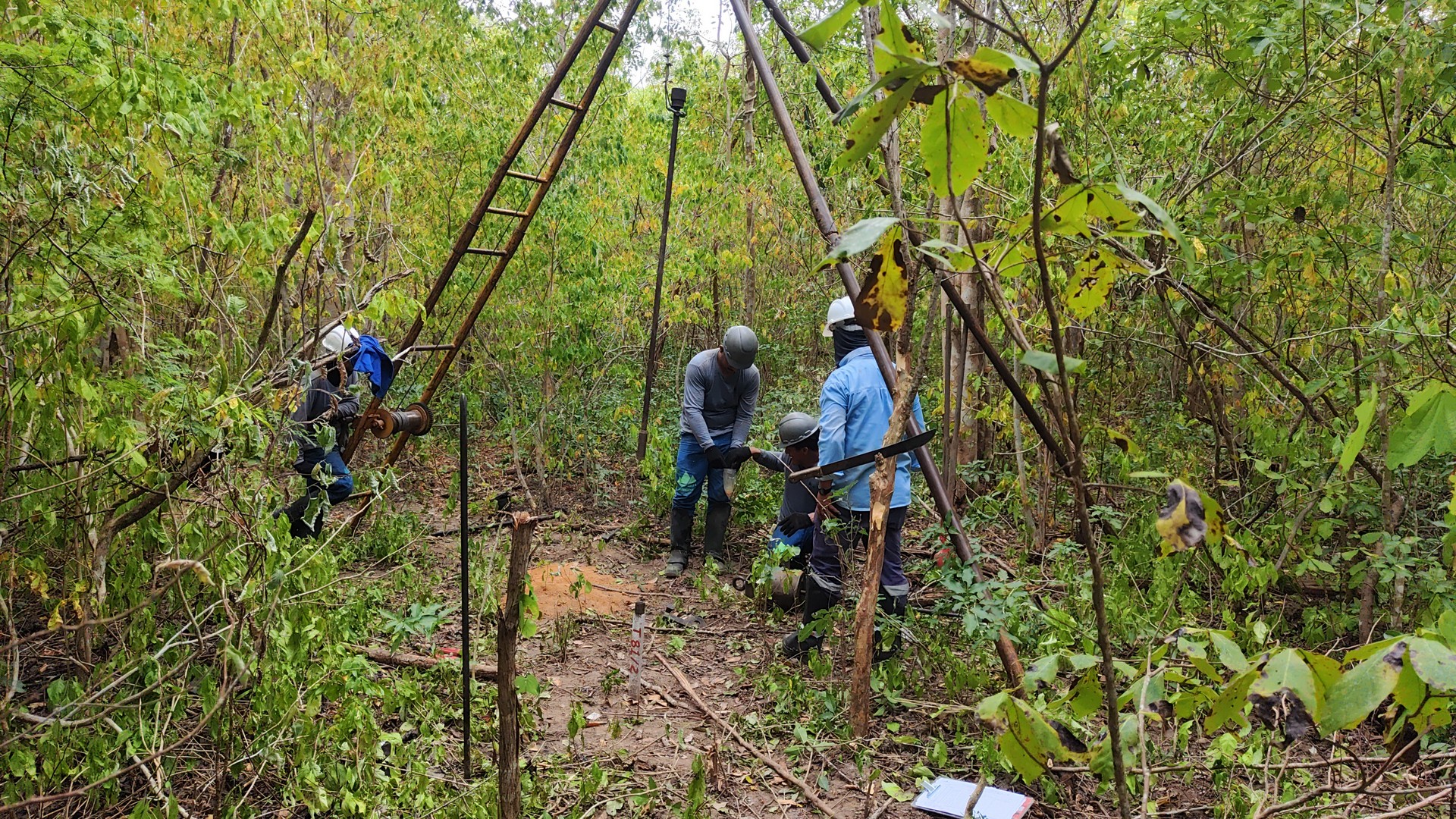
MANUAL

more

SOIL TESTING LABORATORY

more

DRILLING WITH SPECIAL RIGS

more

SPECIAL ELECTRICAL TESTS

more

ISSAC NEWTON

"GRAVITY EXPLAINS THE MOTION OF THE PLANETS, BUT IT DOES NOT EXPLAIN WHO PUT THE PLANETS IN MOTION."

What we do

Check out our work process

01

Preparation of proposal with price and execution deadline, down payment and billing methods.

02

Negotiate terms, deadlines and values for execution. Differentiated conditions or specific rules.

03

Preparation for contract execution and development of strategy for the client requests

04

Trajectory preparation and mobilization to the designated site location.

05

Setup of work area and effective start of the contract.

Contact us

You are always welcome to contact us. Our customer service is available Monday to Friday, 9:00 AM to 7:00 PM, and Saturday to Sunday, 10:00 AM to 2:00 PM. (GMT +3). We look forward to hearing from you!

Thank you! Your message has been sent.

Could not send your message. Please correct the errors and try again.

OUR CLIENTS

Companies that trust and maintain continuous relationships with Support Solo Sondagens.

1. What is soil drilling and why is it important?

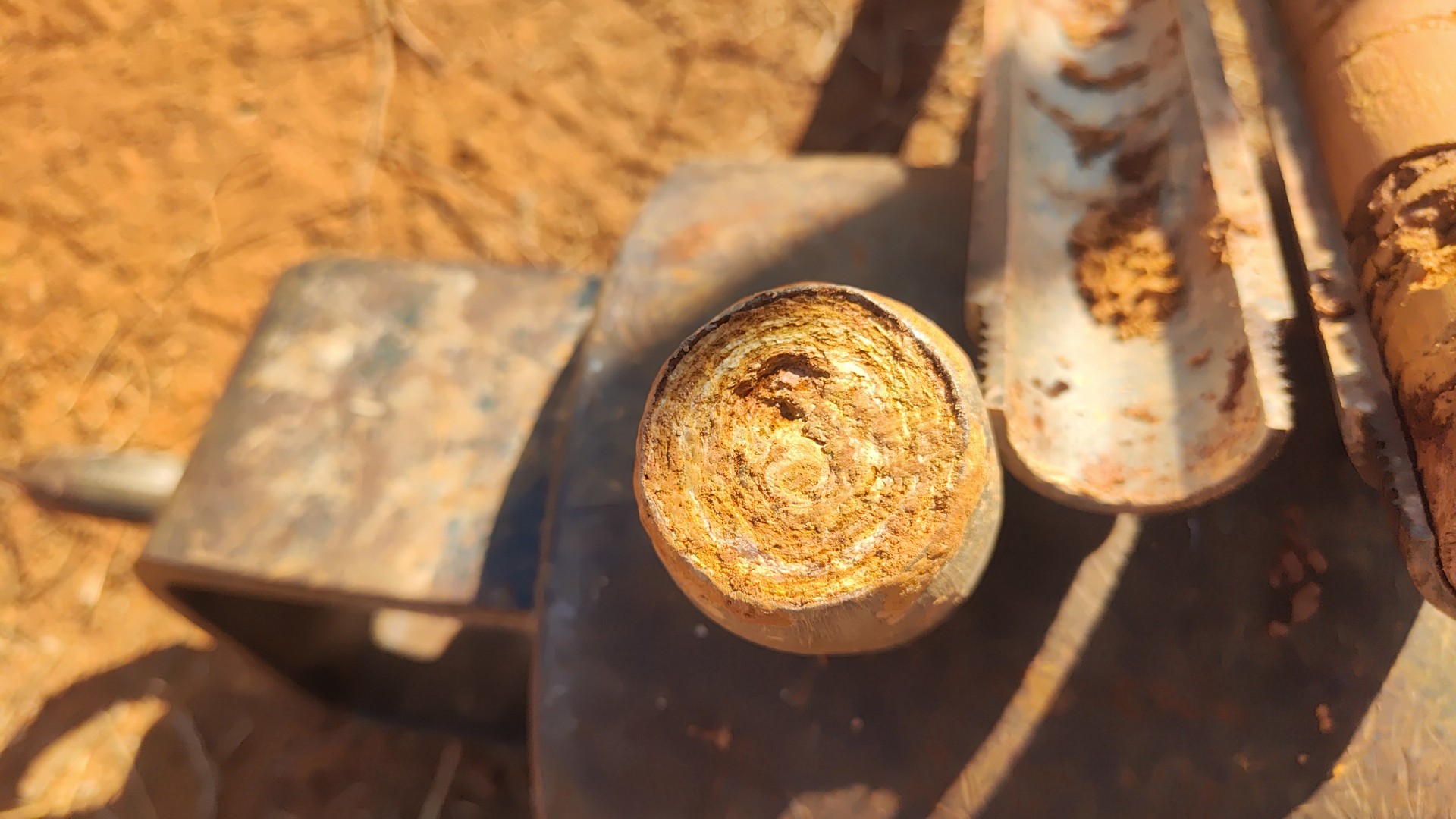
Soil drilling is the set of tests performed to identify the physical and mechanical characteristics of the terrain. It is essential to ensure the safety of construction projects, define the appropriate foundation type and avoid problems such as settlements, cracks and structural instabilities.

2. What are the main types of drilling used in engineering?

The most common types are:

  • SPT Drilling (Standard Penetration Test), amplamente usada para edificações;

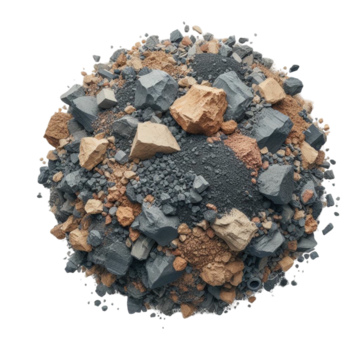
  • Rotary drilling, indicada para terrenos rochosos;

  • Mixed drilling, quando há solos e rochas;

  • Geophysical surveys, utilizadas para investigações não destrutivas. Cada método é escolhido conforme o tipo de obra e as características do terreno.

3. When is soil drilling mandatory?

Drilling is mandatory in virtually all engineering projects, especially in buildings, industrial structures, special foundations, transmission lines and infrastructure. In addition, it is required by technical standards and frequently requested by licensing agencies and insurers.

4. What is the SPT test and what does it indicate?

The SPT test measures soil resistance to penetration, providing the index N-SPT, que indica a compacidade ou consistência do solo. Esses dados são essenciais para o dimensionamento das fundações e avaliação da capacidade de carga do terreno.

5. What is the difference between geotechnical drilling and geophysical investigation?

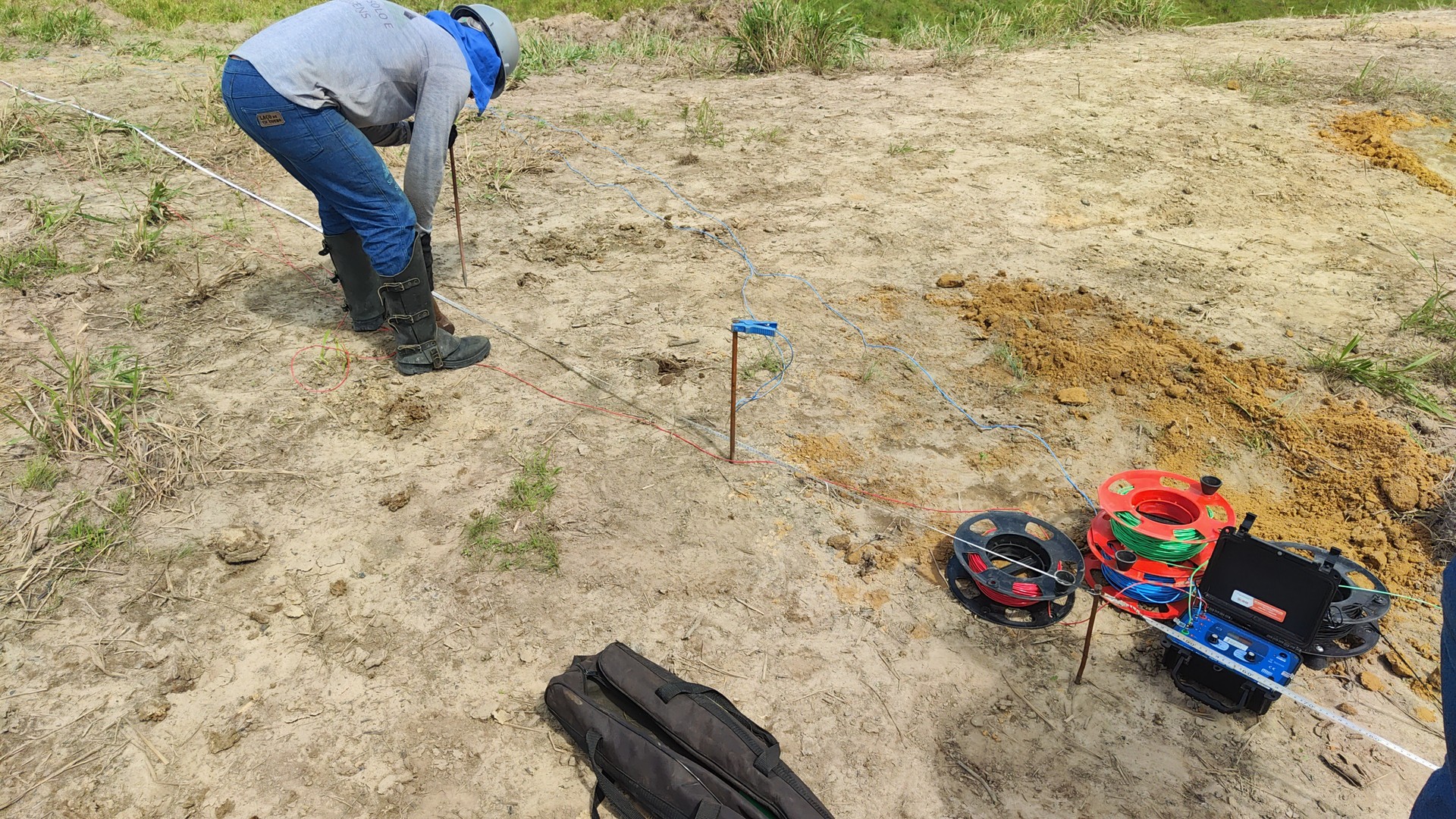
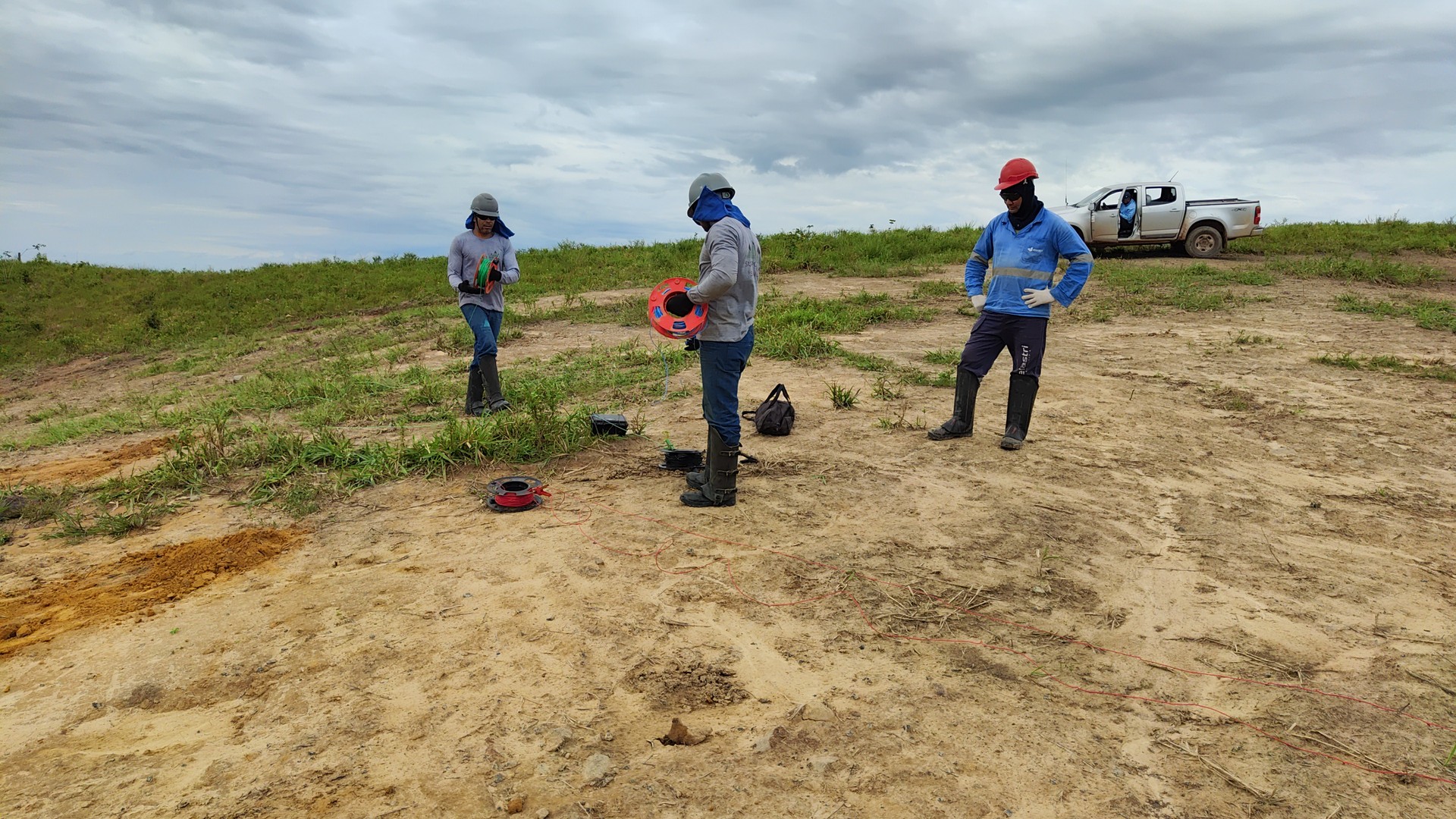
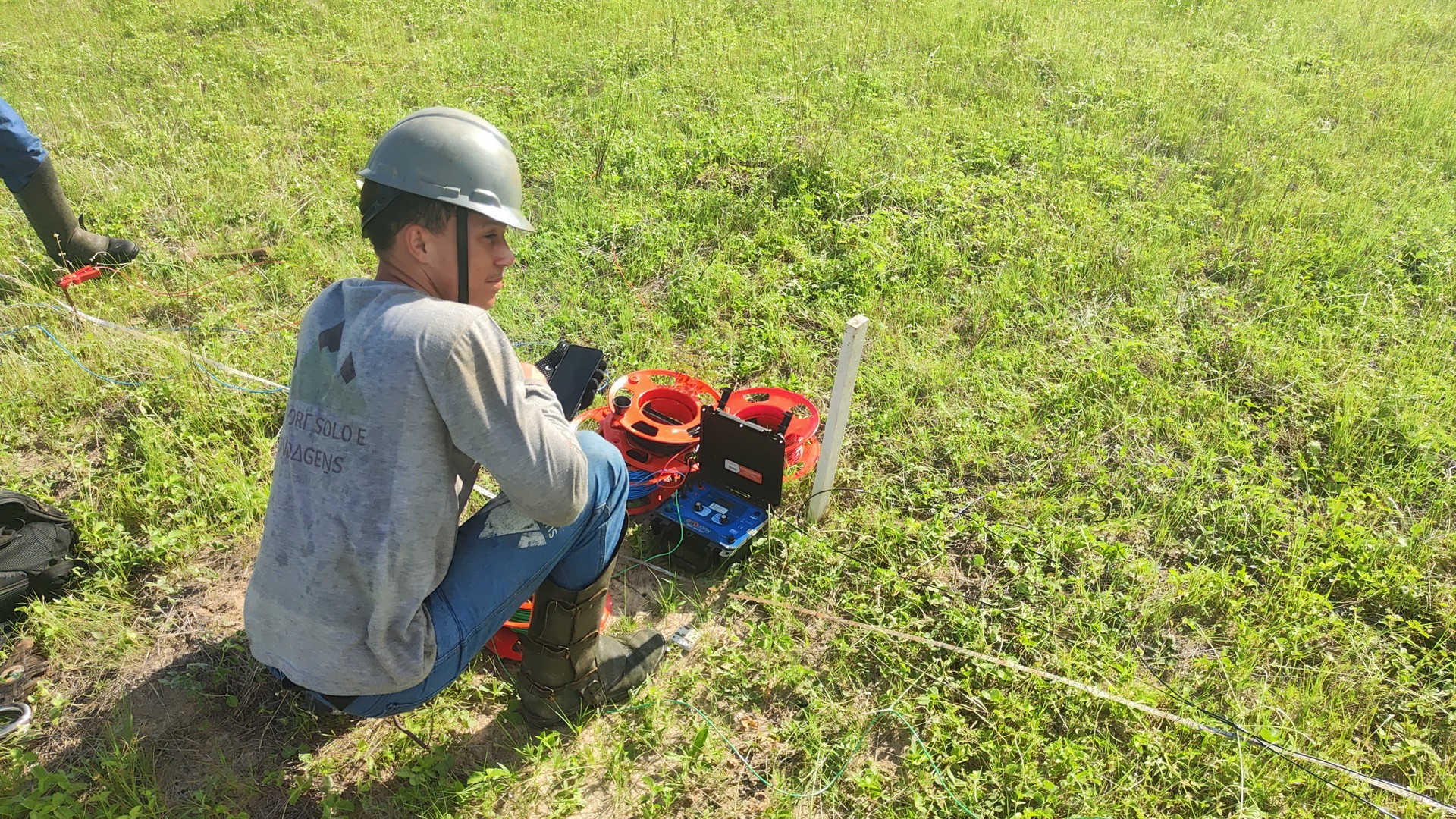
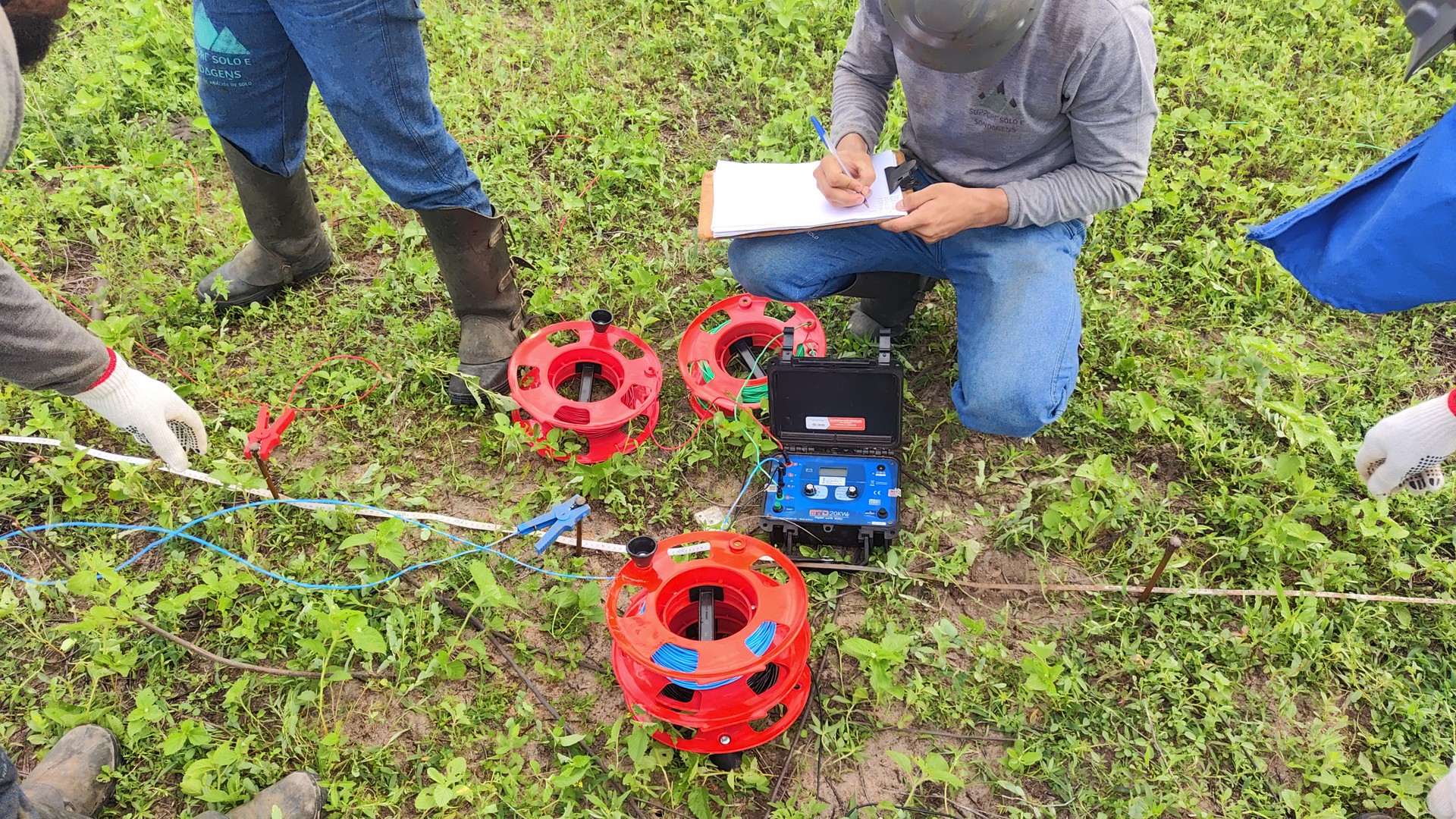
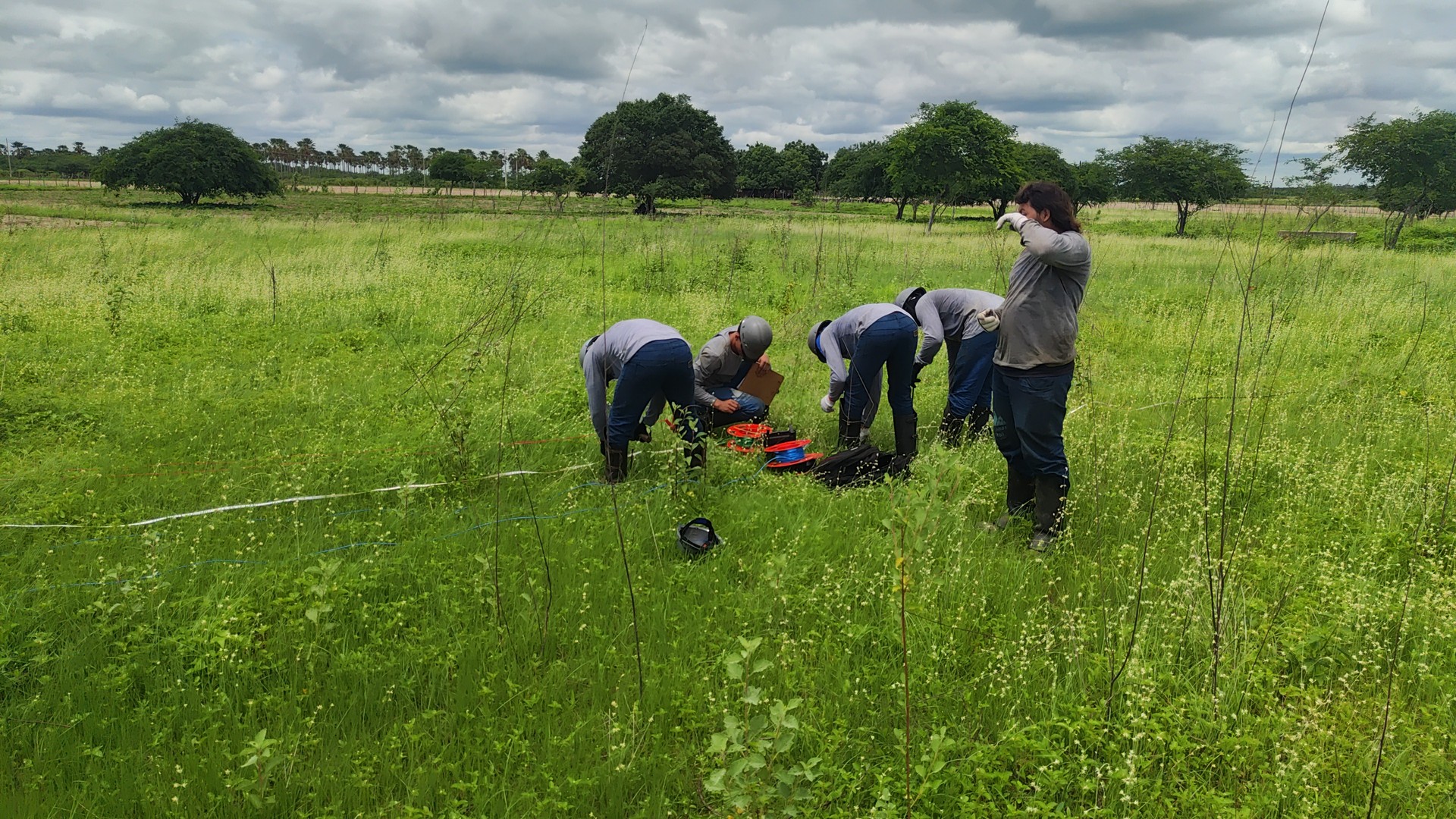
Geotechnical drilling involves direct soil perforation, sample collection and physical tests. Geophysical investigation uses indirect methods, such as electrical resistivity, to map the subsoil without drilling. Often, both techniques are complementary.

6. Does soil drilling prevent future construction problems?

Yes. A well-executed geotechnical investigation significantly reduces risks such as excessive settlements, foundation failures, slope instabilities and unexpected costs during construction.

7. Who should hire and interpret soil drilling?

Hiring is generally done by the property owner or person responsible for the construction, but interpretation of results must be performed by a licensed civil or geotechnical engineer, garantindo que os dados sejam corretamente aplicados ao projeto.

8. What is the importance of geotechnics in infrastructure projects?

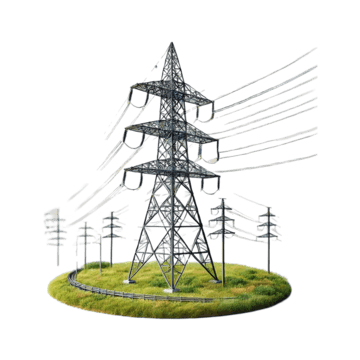
Geotechnics is essential for projects such as highways, dams, transmission towers, bridges and deep foundations. It ensures the stability, durability and safety of structures, considering soil behavior over time.